Helping Puppies Learn to Love Handling, Health Checks & Walking Gear
Bringing a new puppy home is exciting, adorable… and sometimes a little chaotic. Among all the cuddles and play, there’s an important life skill every puppy needs to learn early on: being comfortable with handling, health checks, and walking equipment.
With the right approach and lots of tasty treats, you can teach your puppy that being touched, picked up, and fitted with gear is not only okay, but actually a really good thing.
I’ve worked with plenty of puppies over the years, and quite a lot of them dislike being handled right from the start. That’s completely normal—every puppy comes with their own personality and comfort level. Some melt into your hands instantly, while others need more time, patience, and positive experiences to feel safe. With gentle guidance and plenty of tasty reinforcement, even the most hesitant pups can learn that handling is nothing to worry about.
Why Handling Matters
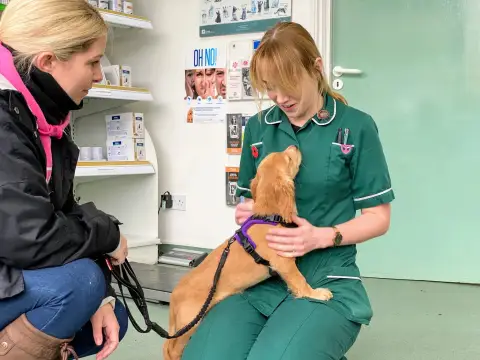
Veterinary visits, grooming, nail trims, wiping muddy paws, checking ears, clipping on a harness—these moments are part of your puppy’s lifelong routine. Puppies who are gently introduced to handling early are far more likely to:
- Stay calm at the vet
- Be easy to groom
- Accept being picked up during emergencies
- Avoid fearful reactions or biting during exams
You’re not just teaching manners—you’re building trust.
Start Slow: Go at Your Puppy’s Pace
Every puppy has their own comfort level.
The key is to:
- Keep sessions short
- Watch for signs they need a break, such as mouthing or moving away
- Use treats generously to build positive associations
Building Positive Associations With Treats
1. Touch → Treat
Gently start by touching your puppy on a non-sensitive area, such as their shoulder, and immediately follow with a treat. This helps them connect the sensation of being touched with something positive.
For more challenging areas—ears, paws, tail, belly—you may need to give the treat at the same time you handle them. For example, hold a treat under their nose, gently lift a paw, and deliver the treat while you’re holding it. This simultaneous reinforcement can make tricky spots feel much safer for your puppy.
As they become more comfortable, begin to shift the timing: handle their paw first, then give the treat after the touch. This is a great sign that their confidence is growing.
Over time, you can gradually build up to more thorough checks, such as looking between their toes, checking inside their ears, and gently checking their gums. These slow, positive steps help your puppy learn that all kinds of handling are nothing to worry about.
2. Picking your puppy up
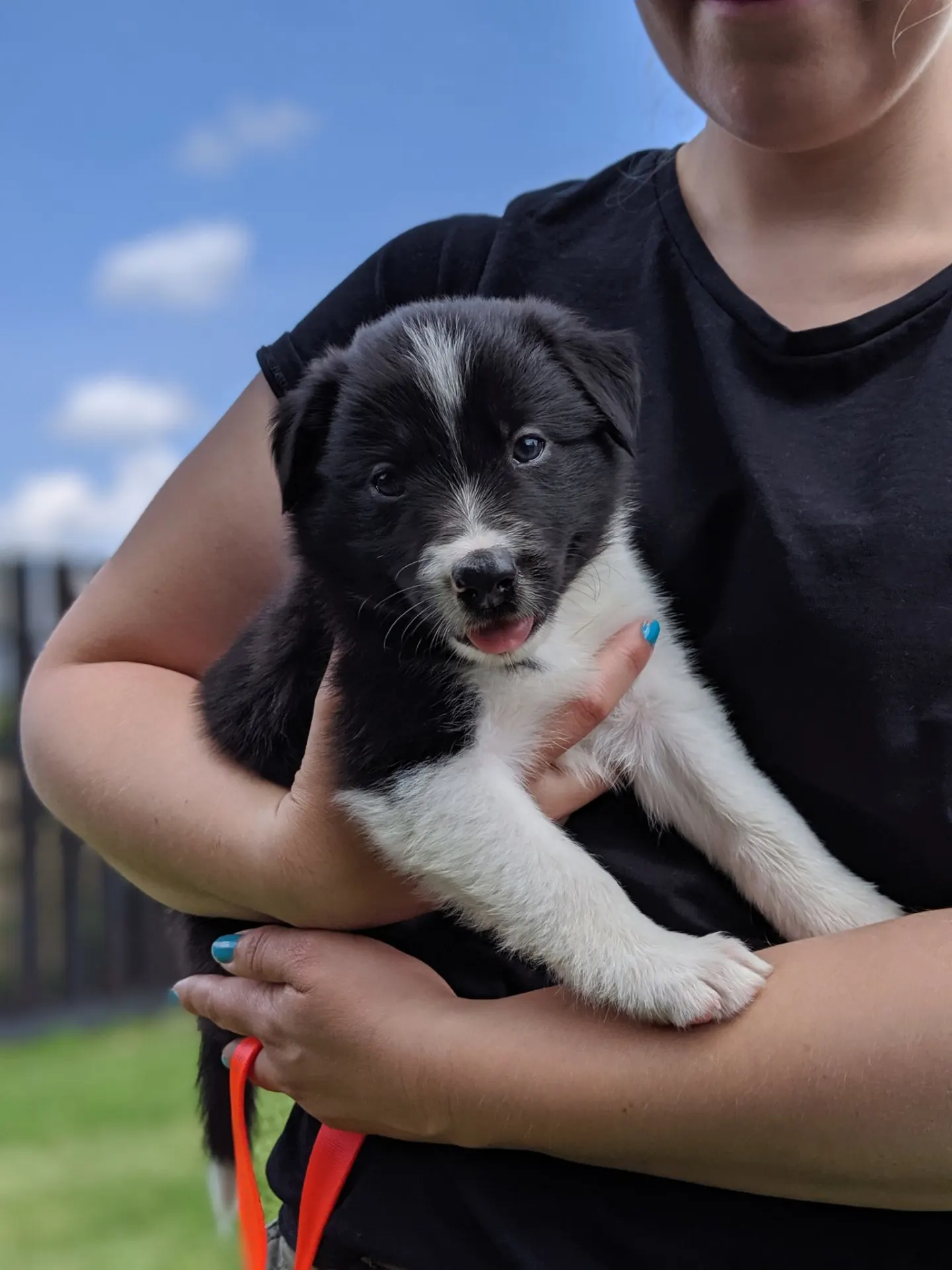
Have a treat under their nose while you scoop your puppy up briefly, holding them close and secure to your body and give them the treat.
Set them down before they worry.
3. Equipment → Treat
Show the collar, harness, or lead.
Give a treat just for looking at it.
Let them sniff it, treat.
Touch them with it, treat.
Slip it partway on, treat.
Clip it fully on, treat.
Tiny steps = big confidence.
Turning Checks Into a Game
Make a little routine your puppy can predict, add a verbal cue to each body part:
- “Check your ears!” → treat
- “Check your paws!” → treat
- “Check your teeth!” → treat
Pairing a fun cue with a reward teaches your puppy that being examined equals yummyness.
When It Has to Be Done: The Power of Scatter Feeding
Sometimes life doesn’t wait for ideal training moments. Your puppy is muddy, you need the harness on now, or you’re rushing out the door.
In those moments, scatter feeding can save the day.
How it works:
While your puppy is happily sniffing and munching treats sprinkled on the floor, you can:
- Wipe their paws
- Put on or adjust their harness
- Clean their face
- Clip their lead
Keep the treats coming until the task is done. This helps the puppy stay relaxed while associating these necessary moments with something positive, even if the handling happens more quickly than they’d prefer.
Celebrate Small Wins
Building confidence is a gradual process. Celebrate every tiny victory:
- They let you touch their paw without pulling away
- They came over willingly when they saw the harness
- They stayed relaxed during a mini-check-up
These small steps add up to a confident, cooperative adult dog.
Final Thoughts
Teaching your puppy to enjoy handling and equipment isn’t just about convenience—it’s about trust, comfort, and creating a smooth, stress-free future together. Whether your puppy is naturally confident or one who initially dislikes being handled, patience, treats, and following their pace make all the difference.
A little training now leads to calmer vet visits, easier grooming, and happier walks for years to come.
Download your free puppy guide now! https://www.hortondogs.co.uk/download-free-puppy-guide-ebook/